
Workforce survey summary
Insights from the 2025 workforce survey.
In early 2025, we ran a cross-agency survey to understand the composition and capability of the procurement workforce across the public sector. This summary presents key findings from the 153 responses received and provides a snapshot of current workforce dynamics and emerging challenges.
Participation and coverage
A total of 153 responses were received from 76 organisations. Most respondents (63%) came from public service agencies and Crown entities. Nearly half (48%) were managers, including 21% who managed across multiple levels and 27% who were single-level people managers. Respondents were mostly female (63%), with 33% male and 4% who chose not to specify their gender.
Distribution of respondents
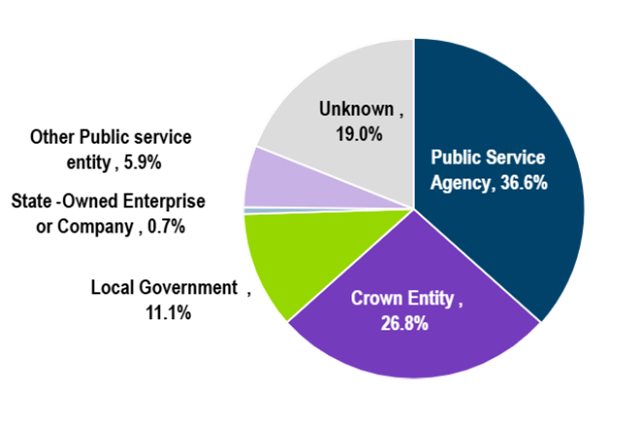
Distribution of respondents: Public Service Agency 36.6%, Crown Entity 26.8%, Unknown 19%, Local Government 11.1%, Other Public service entity 5.9%, State-Owned Enterprise or Company 0.7%.
Workforce composition and tenure
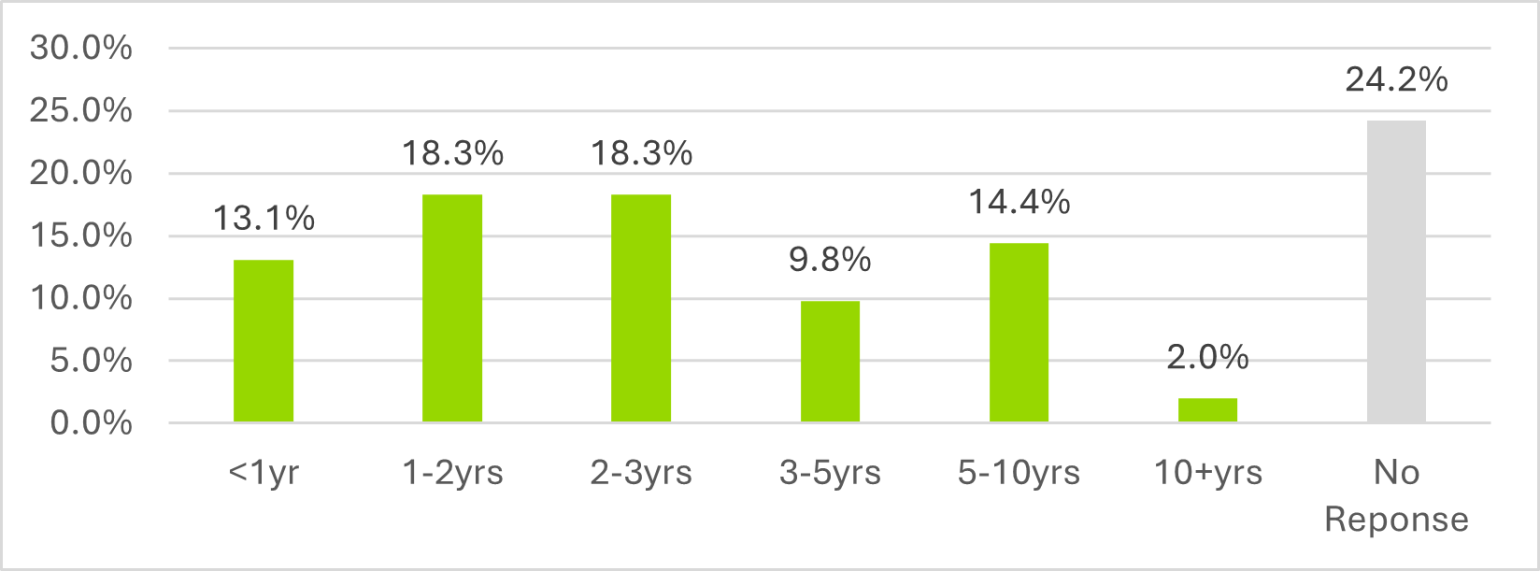
Most respondents were relatively new to their roles, with 36% having been in their current position for 1 to 3 years. Procurement was commonly a mid career choice, with 69% entering the field later in their working lives and 71% aged over 40. Career mobility within procurement was also evident, as 37% had held between 2 and 5 different procurement roles. Experience varied across sectors, with 40% having worked only in the public sector, while 30% had procurement experience spanning both the public and private sectors.
Current role tenure
Experience and qualifications
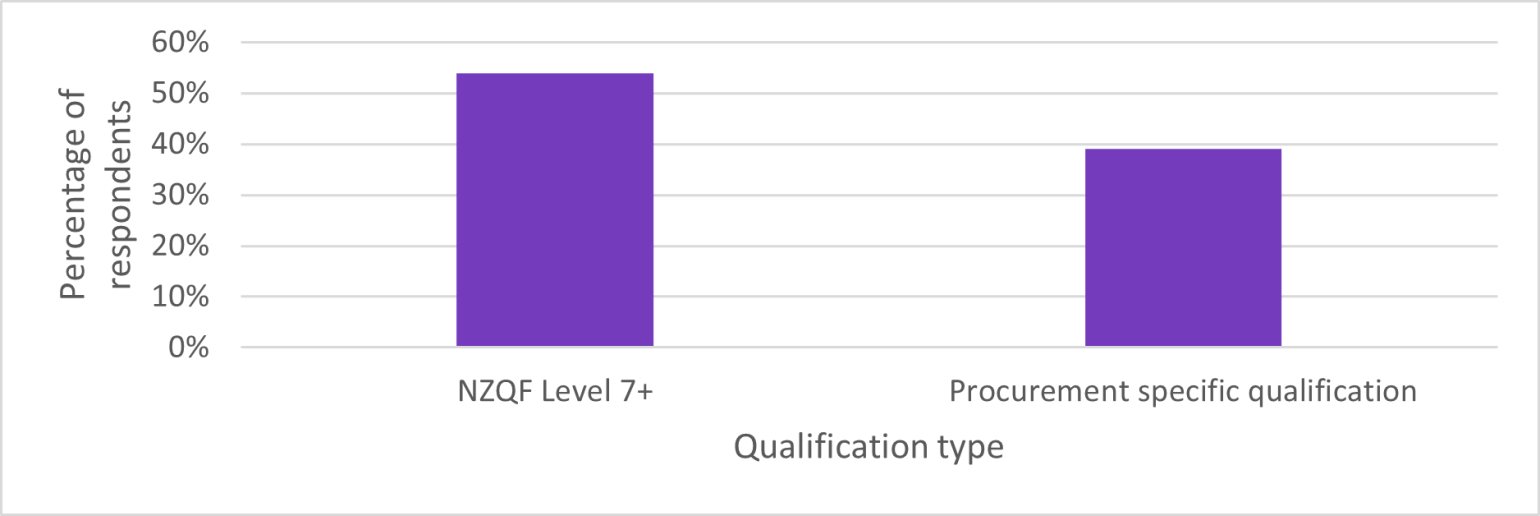
The survey shows a highly skilled procurement workforce. Just over half of respondents (54%) hold NZQF Level 7 or higher qualifications, and 39% have procurement specific credentials. Most respondents (56%) also bring 5 or more years of experience, suggesting a mature and knowledgeable profession.
Qualification type
Capability and learning needs
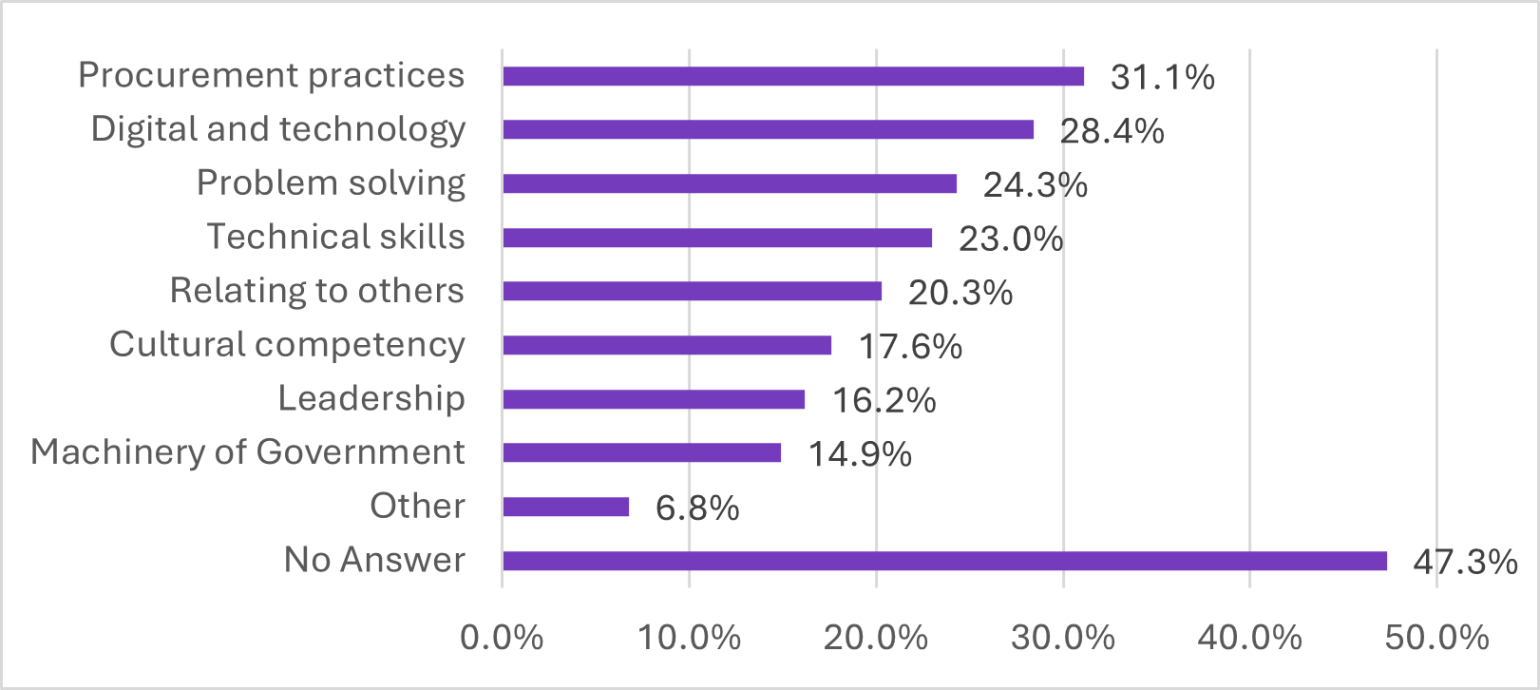
Over half of managers (53%) reported skills gaps, particularly in procurement practices and in digital and technology capability. Both managers and staff identified 3 shared priority areas for further development: market analysis and supplier research, dispute resolution, and the use of procurement software.
Skills gaps identified by managers
Training
Just over a third of respondents (34.6%) completed training in the past year. External providers were used by 27% of managers, with CIPS and World Commerce & Contracting the most common choices.
Almost half of respondents (48%) engaged with Hīkina training materials or workshops, and 93% of those found the training useful.
Additionally, 42% of managers reported having at least one team member enrolled in formal procurement training or working towards accreditation.
Staffing needs and shortages
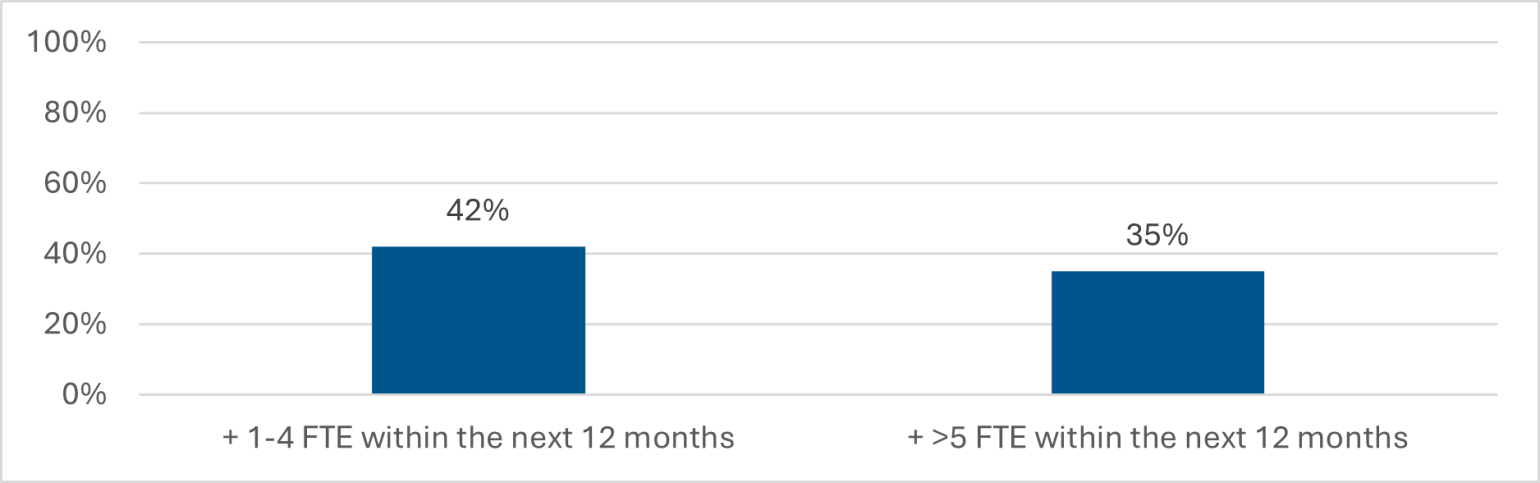
Over half of participating managers (55%) reported no current staffing shortages. Staff turnover varied, with 38% of managers experiencing 1 to 4 direct reports leaving in the past year and just over 1% reporting 5 to 10 departures. Most vacancies were filled from outside the organisation, with 70% of hires made through external recruitment.
Staffing demand over the next 12 months
Contractor use
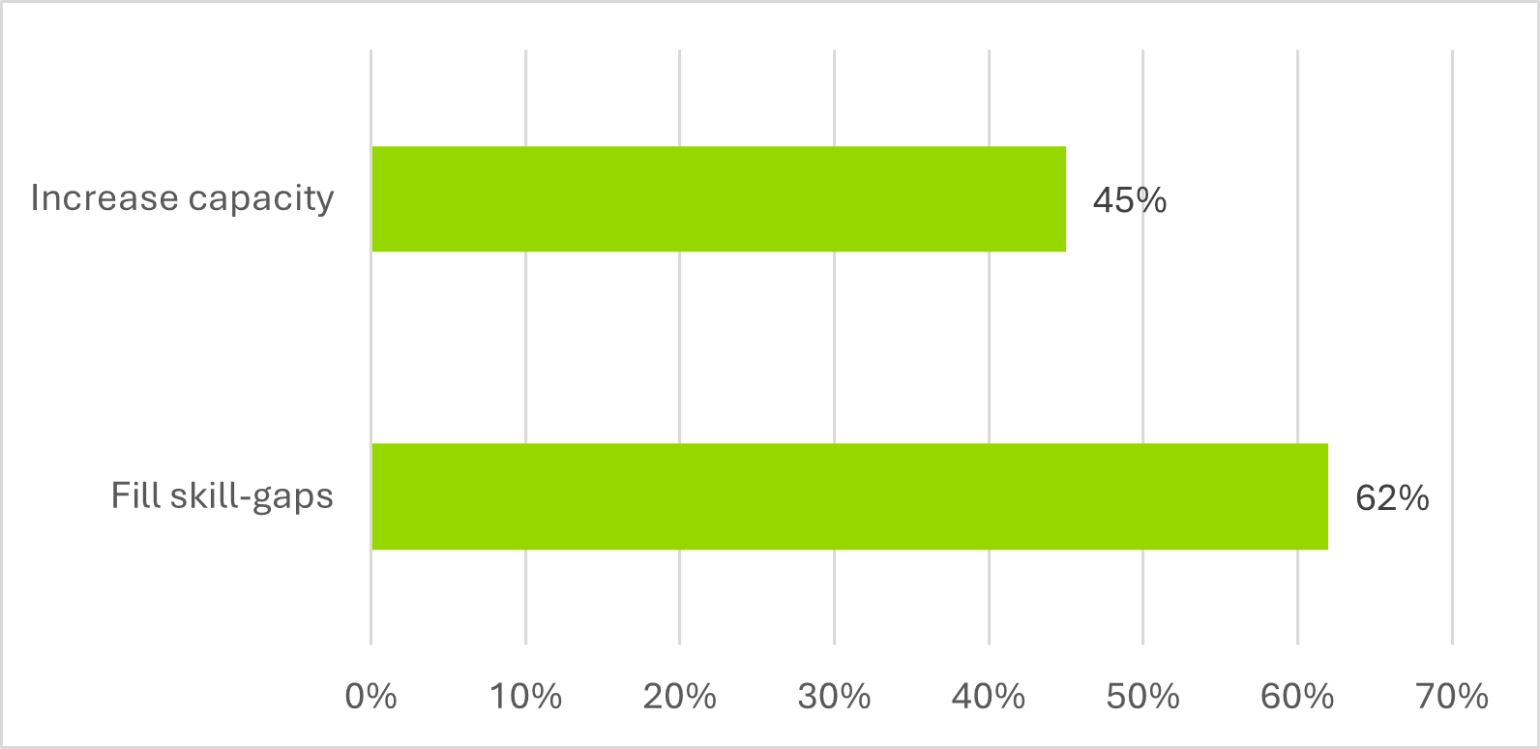
Nearly 4 in 10 managers (39%) hired contractors over the past year. The main drivers were skill shortages (62%) and limited staff availability (45%). Most contractors were engaged for short periods, with 76% hired on contracts of less than 12 months and 41% on contracts shorter than 6 months.
Reason for hiring contractors
Satisfaction and culture
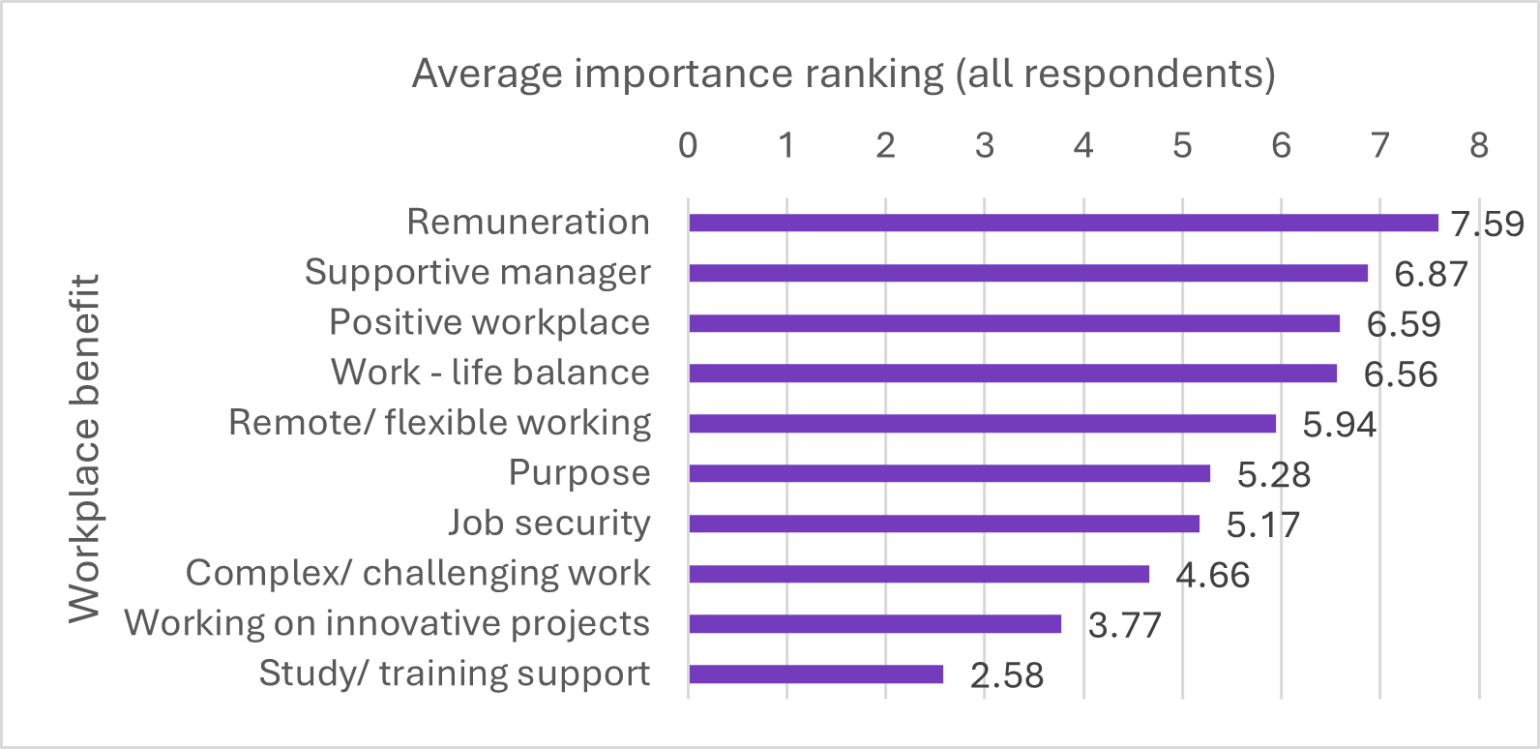
Most respondents were positive about their roles, with 58% reporting job satisfaction. Remuneration was rated as the most valued benefit, scoring 7.59 out of 10. Other key benefits included having a supportive manager, a positive work culture, and good work-life balance.
Ranking of workplace benefits
Survey participation and diversity
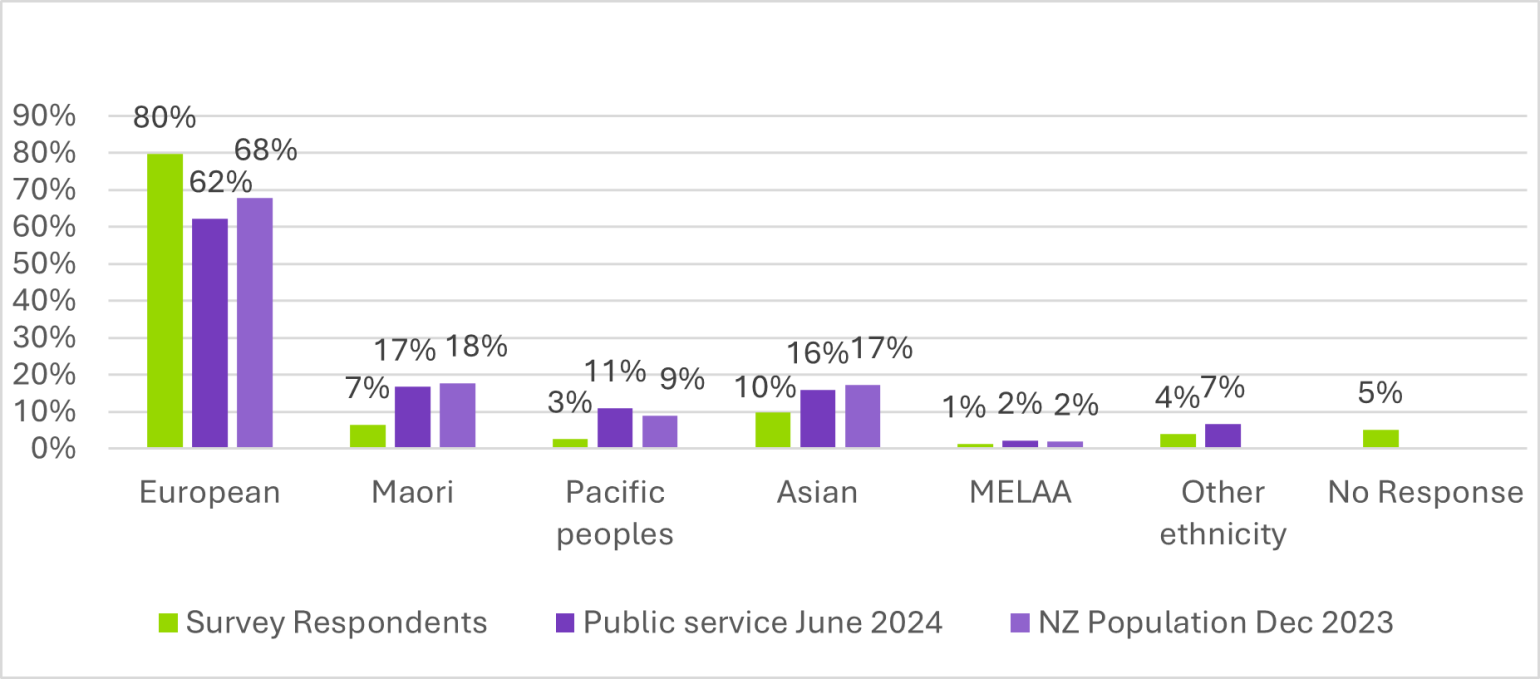
Most survey respondents identified as European, showing a clear majority in the data. People from other ethnicities, especially Māori and Pacific Peoples, are significantly underrepresented within the procurement profession.
Ethnicity comparison of respondents