

Casting a wide net for marine biosecurity researchers
Identifying expert knowledge to support major investigations undertaken by the Parliamentary Commissioner for the Environment (PCE) is vital.
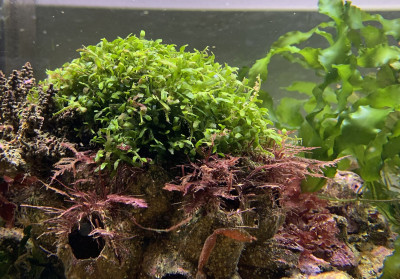
Researching invasive species such as mini Caulerpa (Caulerpa brachypus) helps protect the future of our marine environment.
A new investigation into the threat of invasive marine species in Aotearoa New Zealand is well underway following a successful procurement process using the Government Electronic Tender Service (GETS).
The research considers how climate change intersects with invasive species, which may thrive in New Zealand waters as warming temperatures make them more acidic and less oxygenated.
Commissioning this significant piece of work was the responsibility of PCE Advisor Abbie Bender.
"Using GETS was a key part of ensuring a robust and transparent procurement process,” says Abbie. “It enabled us to reach a wide range of potential suppliers with our Request for Proposal."
"We have engaged Earth Sciences New Zealand to model the threat to New Zealand from invasive marine species under different climate scenarios. We are confident their highly skilled team with deep local knowledge are best placed to support our investigation."
The stakes are high. Invasive marine species can damage native habitats, disrupt ecosystems, and affect the communities and industries that depend on healthy marine environments.
"The impacts of invasive marine species extend well beyond economic costs. They can affect biodiversity, community wellbeing, and the deep cultural and social connections New Zealanders have with the moana," says Abbie.
"The PCE investigation will help build a clearer picture of the risks invasive marine species pose now and, in the future. This will support efforts to strengthen New Zealand’s biosecurity system and improve long-term environmental outcomes."
"By investing in a thorough, science-led investigation today we can identify opportunities to reduce the impacts of invasive marine pests on food gathering, food export and on the sustainability of our marine environment."
The research is due to publish in early 2027. Sign up to receive a copy: